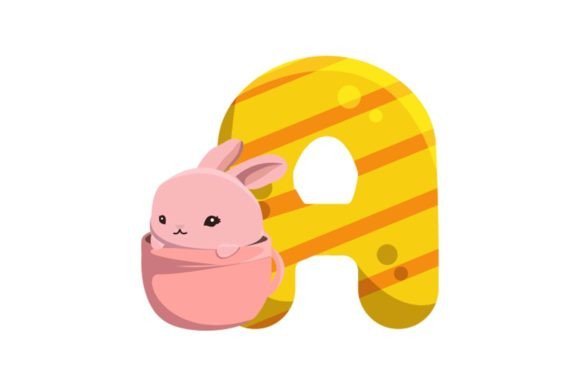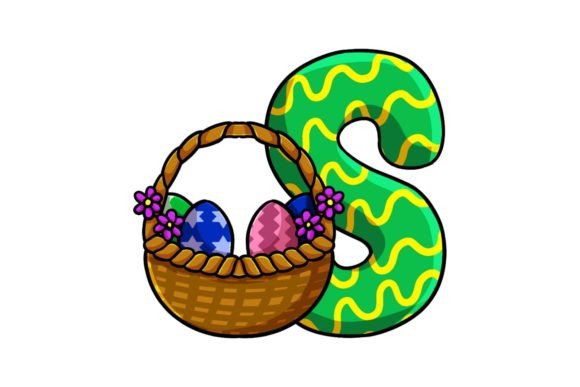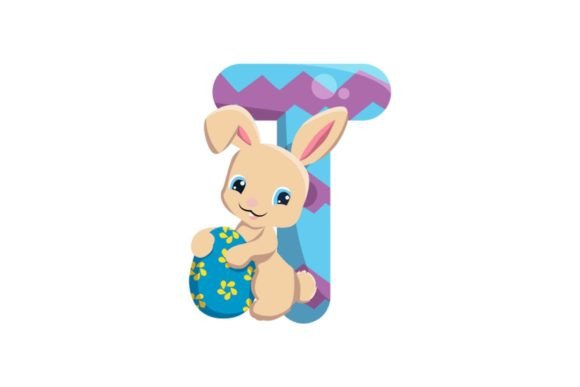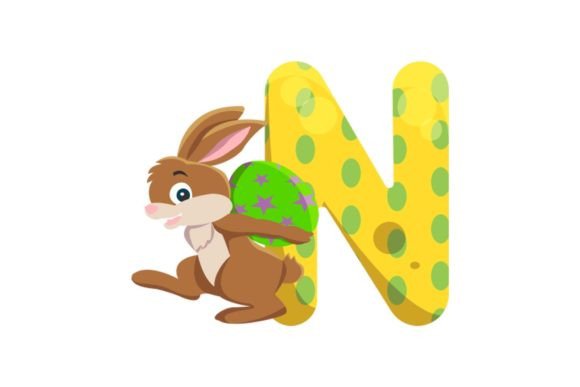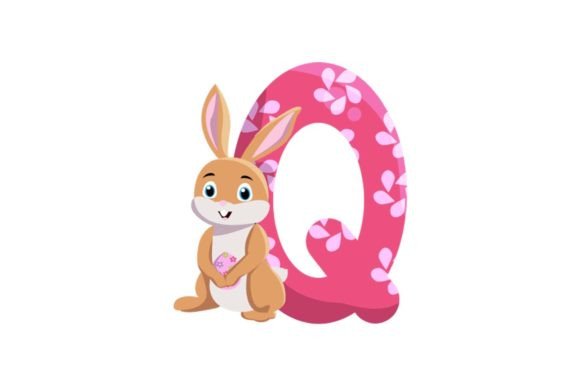
Cute Easter Egg Alphabet Q Illustrations
When I first opened the Cute Easter Egg Alphabet Q Illustrations file, I immediately saw the potential for a playful, seasonal embroidery project. The design captures a cheerful Easter egg shape with the letter Q integrated into the decoration. It’s not a machine embroidery file out of the box—it’s a digital illustration in SVG, JPG, PNG, and PDF formats. That means I’ll need to digitize it or use it as a reference for applique. But for a designer who knows their workflow, this is actually a flexible starting point. The mood is sweet, whimsical, and perfect for spring-themed merchandise, personalized gifts, or holiday boutique items.
First Look: Shape, Layout, and Embroidery Potential
The Q is cleverly drawn as part of the egg’s surface, with the tail curling around the bottom. The egg shape gives a nice, enclosed area for fill stitches, while the letterform adds a focal point. The detail level is moderate—not too intricate, but with enough curves to make it interesting. For embroidery, the satin stitch would work well for the letter outline, and a fill stitch could cover the egg body. The design’s simplicity means it will stitch out cleanly without excessive density, which is a relief for those of us who have wrestled with overly complex illustrations. Because the file is provided as an SVG, I can scale it easily in my digitizing software. The canvas size is 1920px x 1280px, giving a generous resolution. I’ll likely reduce it for smaller projects like baby onesies or increase it for a tote bag centerpiece. The JPG and PNG are useful for mockups or printable templates, and the PDF is handy for client approvals or printed pattern guides.
Real-Life Scenario: Preparing an Embroidered Tote Bag for an Easter Market
Let me walk you through a typical project. I’m creating a limited run of Easter tote bags for a local craft fair. I want the Cute Easter Egg Alphabet Q to be the main decoration. I’ll import the SVG into my digitizing software, then trace the shapes to create embroidery layers. The egg outline will become a satin stitch border, the egg interior a fill stitch, and the Q a contrasting satin stitch. I’ll choose pastel thread colors—pink, lavender, mint—against a natural cotton canvas tote. The fabric is medium-weight, so I’ll use a cutaway stabilizer to prevent distortion. After stitching a test piece, I’ll check the stitch density. The fill area should be dense enough to cover the fabric but not so tight that it puckers. The satin stitches on the Q need to be smooth, so I’ll adjust the pull compensation if necessary. The design’s moderate detail makes this an easy adjustment. I’m confident the final product will look professional and appealing to customers who love handmade, personalized gifts.
Performance Across Different Products
This design is versatile enough for a range of embroidered items. On a sweatshirt, the egg shape adds a soft, cozy feel. For baby embroidery, a small version on a onesie or bib would be adorable. I would reduce the design to about 3 inches wide for a baby onesie—the egg shape feels sweet, and the Q could be the baby’s initial. Soft colors work well on pastel bodysuits, and with a lightweight stabilizer and a small hoop, the thin fabric won’t pucker. The illustration also works as an embroidered patch—just digitize the egg with a satin stitch border and cut the fabric after stitching. I can see it on pillow covers, kitchen towels, and nursery decor. For commercial embroidery, such as small shop merchandise, the design’s clean lines make it a reliable choice for batch production. However, I’d be cautious about using it on very small hoops, like 4x4 inches, if the design is scaled down too much. The Q’s tail might lose detail. Also, on stretchy fabrics like t-shirts, I’ll need a stabilizer with good recovery. The egg shape has a lot of open space, so it won’t cause excessive distortion, but the letter details could shift if the fabric is too loose. Dark fabrics will require a light underlay or a white bobbin thread to keep the colors bright.
Visual Appeal and Product Value
The Cute Easter Egg Alphabet Q Illustrations bring a unique, hand-drawn quality to finished products. When stitched, the design looks custom and thoughtful. Customers appreciate the subtlety of the letter Q integrated into the egg—it’s not just an egg, it’s a personalized monogram. This raises the perceived value of items like baby gifts, holiday presents, and boutique products. For an Etsy seller, using this design can set your shop apart from generic spring-themed appliques. In terms of brand consistency, the design works well for a cohesive spring collection. You could offer the entire alphabet, but for a single Q, it’s ideal for monogrammed gifts or products with a specific initial. The illustration’s friendly, approachable vibe builds trust and engagement with buyers who appreciate attention to detail. As an illustration, this design also serves as a strong graphic for printable mockups—I can use the PNG or JPG to show how the finished product will look before stitching a single thread.
Practical Embroidery Designer Notes
Before you commit to a final product, I recommend a few steps. First, test the design on scrap fabric identical to your final material. This lets you check thread color contrast, stitch density, and hoop size. Since the original file is an illustration, not a native embroidery file, you’ll need to digitize it. If you’re not comfortable digitizing, consider using it as an applique template—trace the egg shape onto fusible web, cut felt, and stitch around the edge. Check the stitch density in your digitizing software. The fill stitch should be around 4-5 mm spacing, and the satin stitch width should be appropriate for the letter size. Avoid making the Q too narrow, or the satin stitches may look jagged. I also test the design in black and white mockups to see if it reads well without color. Light and dark fabric backgrounds affect the design’s visibility—on a white shirt, the egg might need a subtle outline. Use proper stabilizer: cutaway for knits, tearaway for wovens. For tote bags, a medium-weight cutaway works well. And importantly, check the licensing for commercial use. The product description mentions “Easy to edit and use in your or your com,” which is incomplete, but typically for digital illustrations in this category, you can use them in your own physical products. However, if you plan to sell the finished embroidered items, verify that the license allows commercial use. If you’re reselling the digital files themselves, that’s a different matter—this is a design asset for creating physical goods.
Where to Use This Design Carefully
I want to highlight a few situations where extra caution is needed. On curved surfaces like caps, the egg shape may distort; use a smaller hoop and a stiff stabilizer. For tiny projects like coin purses, the design might be too large unless scaled down significantly. On thin fabrics like silk or organza, the fill stitch density could cause see-through. In those cases, consider using a running stitch outline instead of a full fill. Also, for products that need frequent washing, like kitchen towels, I’d recommend a high-quality thread and a tight satin stitch to prevent fraying. The Cute Easter Egg Alphabet Q Illustrations are a solid foundation for spring and Easter projects. With proper digitizing and stitching, they will produce charming, sellable items that customers will love. In my experience, the best designs are those that translate well from digital to thread. This one does, with a little planning. Whether you’re a hobbyist making a gift for a friend or a small business owner building a spring collection, this illustration offers a versatile, appealing option.