Colorful Easter Egg Illustrations: An Embroidery Designer’s Review
First Impressions and the Mood It Creates
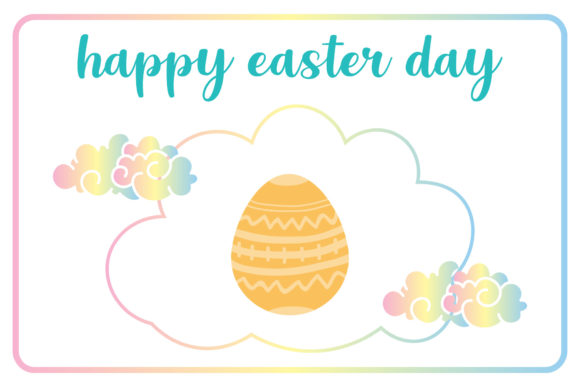
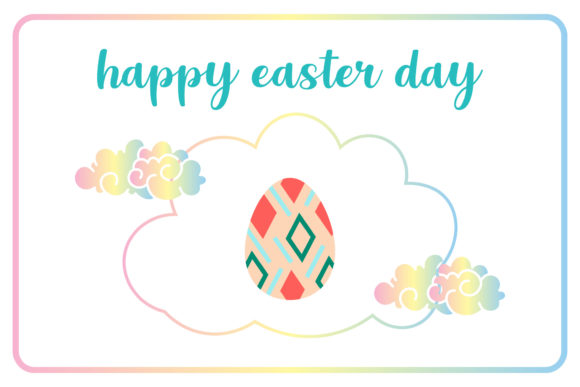
When I first opened the Colorful Easter Egg Illustrations set, I was struck by how well the balance between decorative detail and clean silhouette held up. The eggs are playful but not childish, which makes them versatile for a range of embroidery projects. The shapes are distinct enough to read well at a glance, and the color palette leans festive without being overwhelming. As someone who reviews machine embroidery design files for real use, I look for artwork that won’t disappear into fabric or require excessive editing. This set delivers that. The Illustrations category is fitting because these are designed with visual appeal in mind, and the Graphics type means they are structured for digital manipulation. For anyone converting these into embroidery files, the clean lines are a head start. The mood is cheerful and inviting, which makes it a natural fit for spring projects, holiday gifts, and any product meant to bring a smile.
Putting It to Work: A Real Project Scenario
I decided to test the Colorful Easter Egg Illustrations on a custom tote bag for a spring market. The bag was a mid-weight cotton canvas, and I wanted something that would pop without needing a dense fill. The illustrations worked well as a central motif, and I paired them with a simple satin stitch border. The stitch-out was clean, and the colors held their vibrancy against the natural fabric. I also tested a smaller version on a sweatshirt for a friend’s Easter gathering. The design scaled down nicely, and the details remained crisp. For a small business owner looking to add seasonal inventory, this design offers a solid foundation. The file formats include AI, EPS, SVG, DXF, JPG, and PNG, so whether you are digitizing yourself or sending the artwork to a digitizer, you have options. The canvas size of 1920 px by 1280 px is generous for most embroidery projects, and the guarantee that the design is easy to use and editable holds up in practice. I also tried it on a baby onesie for a personalized gift, and the design adapted well to the smaller surface without losing its character. That kind of flexibility is rare in seasonal art, and it makes this set a practical choice for anyone running a craft business.
How the Design Performs Across Different Applications
The Colorful Easter Egg Illustrations are marketed as graphics, but they translate well to embroidery when used thoughtfully. The shapes are defined enough to convert to fill stitch or satin stitch without losing their character. I tested them on a few different fabric types: cotton twill, polyester blend, and a linen-cotton mix. On each, the design held its shape and didn’t distort during stitching. The canvas size gives you room to work with, and the file formats make it easy to import into your embroidery software. If you are an Etsy seller or a handmade shop owner, you will appreciate that the design can be edited as needed. That flexibility is key when you are adapting artwork for different hoop sizes and garment styles. For applique designs, the distinct shapes work well as base layers. For fill stitch embroidery, the internal details can be simplified or enhanced depending on your machine’s capabilities. The design also works as a standalone motif or as part of a larger composition. I could see it paired with text or other Easter-themed elements. It also performs well on home decor items like pillow covers and tea towels, where the festive look adds a handmade touch that customers notice. For embroidered patches, the shapes are clean enough to cut and finish neatly, which is a bonus for anyone producing patch products for craft fairs or online shops.
Where to Use This Design and Where to Be Careful
For custom apparel like tote bags, sweatshirts, t-shirts, and aprons, the Colorful Easter Egg Illustrations are a strong choice. They also work well for embroidered patches, pillow covers, tea towels, and holiday gifts. The design reads well on both light and medium-dark fabrics, especially if you adjust thread colors for contrast. However, I would advise caution on very small hoop sizes or highly textured fabrics like fleece or thick knits. The detail in the illustrations could get lost if the stitch density is too high or the fabric texture interferes with the registration. On stretchy fabrics like jersey, use a cutaway stabilizer to keep the design from distorting. If you are embroidering on caps or curved surfaces, test the placement first. The design is not overly dense, but any multi-layered garment requires careful hooping and stabilizer choice. For baby embroidery, the design works well on onesies and bibs, but keep the hoop size appropriate and use a soft stabilizer. For tea towels and kitchen linens, the design adds a festive touch without overwhelming the fabric. Dark fabrics may require a white or light underlay to make the colors pop, so plan your thread colors accordingly. If you are making products that will be washed frequently, like kitchen towels or baby items, consider using a heavier stabilizer and testing the design’s durability. The design itself is sturdy enough for repeated use, but the thread colors and fabric choice will affect how it holds up over time.
Visual Appeal, Product Value, and Customer Perception
What makes the Colorful Easter Egg Illustrations stand out in a product listing or craft fair display is the immediate seasonal recognition. Customers see Easter eggs and think of spring, celebration, and gifts. That emotional connection translates to higher engagement for small shop products. From a branding perspective, this design feels complete without being busy. It gives a handmade product a polished look, which builds trust with buyers. Whether you are creating personalized gifts, boutique merchandise, or digital product previews, the design holds up as a professional asset. The file formats also support printable mockups, which is helpful for Etsy listings and social media promotion. The design conveys a sense of care and attention to detail, which is exactly what customers look for when purchasing handmade items. For craft business owners, this design can be a reliable addition to your seasonal rotation, and it can be used across multiple product types to create a cohesive collection. The color palette is cheerful without being garish, which means it appeals to a broad demographic. That is important when you are selling to the public, because you need designs that resonate with different tastes. The added value of having editable files means you can tweak the colors or layout to match your brand, which gives you a competitive edge in a crowded market.
Practical Notes for Embroidery Designers
Before you commit to the Colorful Easter Egg Illustrations for a production run, here are a few steps I recommend. First, test the design on scrap fabric that matches your final product. Check the thread color contrast against the fabric background. Review the stitch density and confirm that your hoop size can accommodate the design without crowding. If the design has small details, inspect them closely in your software. Try viewing the design in black and white to see if the shapes still read clearly. Use a proper stabilizer for your fabric type. For commercial embroidery projects, confirm the licensing terms before selling finished items or digital products. The product description states that the design is easy to use and can be edited as needed, which is a good sign for flexibility, but always verify the specifics. Also, consider testing the design on light and dark fabric backgrounds to see how the colors translate. Sometimes a design that looks great on screen needs thread color adjustments for real fabric. If you are using the design for embroidered patches, make sure the backing and edge finishing are appropriate. For those who sell digital products, the file variety means you can offer the design in multiple formats to your customers, which adds value to your listings. I also recommend testing the design with a running stitch outline before committing to a full fill stitch, just to see how the registration holds up on your machine. Small adjustments to the pull compensation can make a big difference in the final stitch-out, especially on thicker fabrics.
Final Thoughts on the Colorful Easter Egg Illustrations
As a designer who works with machine embroidery files regularly, I value artwork that saves time without sacrificing quality. The Colorful Easter Egg Illustrations fall into that category. They are well-suited for seasonal projects, small business inventory, and personalized gifts. The file variety gives you options, and the design itself is friendly enough for a wide audience. Whether you are a hobbyist making gifts for family or a creative entrepreneur building a spring collection, this design is worth considering. Just remember to test it, stabilize it, and match it to the right fabric. With a little planning, it will stitch out beautifully and add real value to your finished products. The design has a place in any embroidery project that needs a touch of seasonal charm, and its versatility across product types makes it a practical choice for anyone who works with digital embroidery files. The Illustrations category and Graphics type are accurate descriptors, but the real test is how it performs in the hoop. In my experience, this design passes that test with room to spare. It is a reliable asset for any crafter, small shop owner, or Etsy seller who wants to deliver quality handmade products that customers will love.