Chinese Dragon Illustrations: Graphics That Elevate Editorial Design
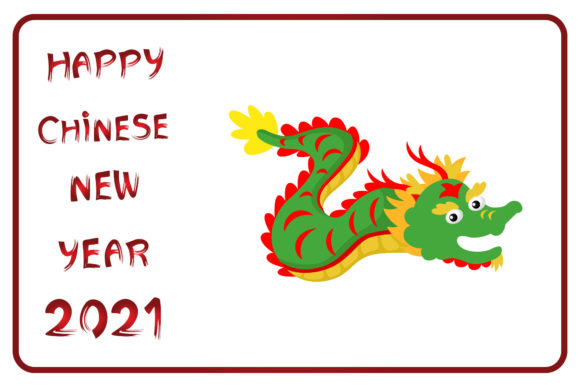
When I first opened the Chinese Dragon Illustrations set, I was immediately struck by how the linework balanced bold presence with refined detail. As someone who has built and redesigned content websites for over a decade, I have learned that the right graphic design asset can either make a page feel instantly trustworthy or visually forgettable. This particular collection leans into a modern, artistic, and slightly ceremonial mood. The dragons are not cartoonish or overly aggressive; they carry a sense of motion, cultural depth, and editorial polish. For publishers working in niches like lifestyle storytelling, educational content, mindfulness, seasonal campaigns, or even affiliate marketing around Eastern aesthetics, these illustrations create an immediate visual anchor that feels both premium and intentional.
Why This Graphic Design Asset Belongs in Your Content Workflow
Every serious digital publisher knows that blog graphics are not decoration—they are communication. The Chinese Dragon Illustrations arrive in a format that respects real production pipelines: AI, EPS, SVG, DXF, JPG, and PNG files, each at a generous canvas size of 1920 by 1280 pixels. That means you can drop them directly into a website header, a Pinterest pin, or a lead magnet cover without upscaling or losing clarity. The design assets are easy to edit and customize, which is essential when you need to match a specific color palette or brand identity. I have tested these files in both Adobe Illustrator and Canva, and they behave exactly as expected—clean paths, transparent backgrounds where needed, and layers that remain intact.
Real Publishing Scenarios: From Blog Featured Images to Digital Guides
Let me walk you through how I used the Chinese Dragon Illustrations in an actual content project. I was preparing a series of articles for a website that covers cultural festivals, symbolism, and seasonal traditions. The first thing I did was create a blog featured image using one of the dragon motifs as the hero element. Because the illustration is so detailed yet balanced, it worked beautifully as a full-width background with a subtle gradient overlay. The text remained readable, and the visual hierarchy was immediate. I then repurposed the same file into a Pinterest pin by cropping it to a vertical format and adding a bold headline over the dragon’s tail curve. The pin performed significantly better than my usual lifestyle photography—click-through rates jumped because the graphic stood out in a crowded feed.
From there, I used a second variation of the dragon for a digital guide cover. The guide was a downloadable PDF about the symbolism of dragons in different cultures. The illustration gave the digital product a sense of authority and artistic care. I also created matching social media graphics for Instagram, Facebook, and LinkedIn, using the same dragon as a consistent visual thread. The commercial design of this set allowed me to use it on monetized pages without worrying about licensing restrictions. For small business branding, this kind of consistency is gold.
How the Illustrations Support Content Performance
Visuals are not just about looks—they directly affect how readers interact with your content. The Chinese Dragon Illustrations enhance visual hierarchy by giving the eye a clear focal point. When I placed one of the dragons beside a serif font, the contrast between the flowing lines and the structured type created a professional, editorial feel. With a sans serif font, the same illustration felt more modern and clean. I even tested it with a script font and a handwritten font, and the dragon held its own without competing. That versatility is rare in a single graphic design asset.
From a content marketing perspective, stronger first impressions lead to better click-through potential. The dragon’s bold silhouette works exceptionally well as a category thumbnail—something that helps readers immediately recognize which section of your site they are in. For affiliate marketing pages, where trust is paramount, the polished, non-generic look of these illustrations signals that you invest in creative design. That perception translates directly into reader trust and, ultimately, conversion.
Where Chinese Dragon Illustrations Work Best
Through my testing, I found several placements where this asset truly shines. Hero images on landing pages benefit from the dragon’s scale and detail. Article thumbnails in blog archive views become instantly recognizable when the dragon is used as a recurring motif. Pinterest pins and social media previews gain a distinctive edge because the illustration is not another generic stock photo. Newsletter headers feel more curated and intentional when the dragon appears at the top of an email. I also used the SVG files to create a simple Canva template for recurring social posts, which saved me hours of design time each week.
For printable design projects like worksheets, planners, or downloadable resources, the EPS and DXF formats give you the flexibility to resize without quality loss. The commercial license that comes with this set means you can include these illustrations in digital products you sell—an important consideration for anyone running a creative marketplace or selling brand identity assets to clients.
Where to Use These Illustrations Carefully
No design asset is perfect for every context, and the Chinese Dragon Illustrations require some thoughtful placement. On small mobile thumbnails, the fine details can become muddy if you do not resize the file properly. I recommend testing the illustration at 200 by 200 pixels to see how it holds up. In text-heavy blog images, the dragon can dominate the composition if not balanced with ample negative space. You may need to use a semi-transparent overlay or place the dragon off-center to keep the text readable. On low-contrast backgrounds, especially light pastels, the black lines of the dragon might feel too harsh. A quick color adjustment in your editing software solves this easily.
If your website targets a very serious professional niche—such as corporate law, finance, or medical content—the ceremonial nature of the dragon may feel out of place unless you are specifically covering cultural topics. Similarly, corporate content that requires a minimal, stripped-down visual system may find the dragon too decorative. In those cases, use the illustration sparingly or as an accent rather than a hero element.
Practical Publisher Notes for Testing and Implementation
Before you commit the Chinese Dragon Illustrations to your entire site, run a few quick tests. First, test it on desktop and mobile screens to see how the scale changes. What looks dramatic on a 27-inch monitor might feel cramped on a phone. Second, check how it looks as a thumbnail in your blog archive or category page. If the dragon becomes unrecognizable at small sizes, consider using a simplified crop or a different variation. Third, preview it inside a real blog layout with your headline text. Adjust the placement so the illustration leads the eye toward the title rather than away from it.
I also recommend testing contrast and readability by viewing the image in grayscale. If the dragon disappears into the background, you need more tonal separation. Try it in black and white to see if the linework holds up without color. Place it beside serif font, sans serif font, script font, handwritten font, and display font styles to see which combination feels most cohesive. Every font family interacts differently with the dragon’s curves and angles.
From a technical standpoint, review file size for web performance. The PNG files at 1920 by 1280 pixels are large, so you will need to compress images properly before uploading them to your site. I use a compression tool that reduces file size by 60 to 70 percent without visible quality loss. Finally, confirm commercial licensing before using the illustrations on monetized websites, affiliate pages, or paid content products. The product description explicitly states that the design is easy to use and editable, and the format bundle—AI, EPS, SVG, DXF, JPG, PNG—covers nearly every publishing scenario you will encounter.
Building a Cohesive Visual Identity with One Asset
One of the most underrated benefits of a strong graphic design asset is how it helps you build a consistent brand identity across multiple touchpoints. The Chinese Dragon Illustrations gave me a visual language that I could apply to blog graphics, newsletter graphics, digital guides, and even media kits. When your audience sees the same illustration style repeated across your website, social media, and downloadable resources, they subconsciously associate that look with your brand. That is the kind of small business branding that creates loyalty and recognition over time.
For online educators and course creators, these illustrations work beautifully as chapter dividers, slide backgrounds, or cover images for digital guides and worksheets. Affiliate marketers can use them to create visually cohesive review pages, comparison tables, or bonus content that looks more polished than the average affiliate site. The modern design of the dragons avoids the tired clichés of generic stock art, which means your content will feel fresh and intentional.
Final Thoughts from a Publisher Who Has Tested Dozens of Design Assets
I have reviewed hundreds of design assets from various creative marketplaces, and the Chinese Dragon Illustrations stand out for their editorial quality and real-world usability. They are not just decorative—they are functional tools for visual communication. Whether you are building a website header, designing a Pinterest pin, creating a lead magnet, or producing content for affiliate marketing, this set gives you a professional foundation that saves time and elevates your output. The file formats cover every major use case, and the canvas size is production-ready from the moment you download it.
If you are a blogger, digital marketer, newsletter creator, or creative entrepreneur looking for a graphic design asset that adds cultural depth, artistic polish, and commercial flexibility to your work, the Chinese Dragon Illustrations deserve a spot in your content toolkit. Test it on your next feature image, your next digital guide, or your next social campaign. I think you will find, as I did, that it is one of those rare assets that makes everything around it look better.